Everyone wishes to have a happy and peaceful family. However, life does not always go as desired, when married life is no longer happy, husband and wife can choose to disvorce through the form of divorce by mutual consent.
The procedure for mutual consent divorce is governed by the following legal regulations:
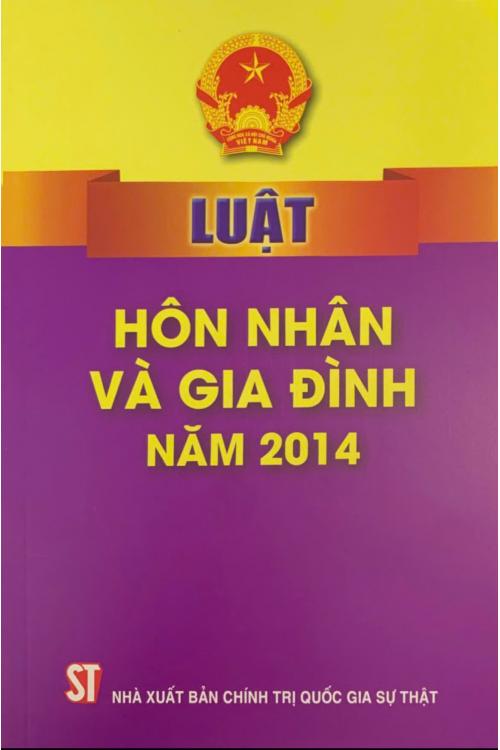
· Law on Marriage and Family 2014;
· Civil Procedure Code 2015.
Mutual consent divorce applies when both spouses agree to terminate their marriage and have reached a consensus on matters related to child custody and division of assets. The consultation process includes the following aspects:
2.1. Conditions for Mutual Consent Divorce
According to Article 55 of the Law on Marriage and Family 2014, mutual consent divorce is granted if the following conditions are met:
1. Both spouses voluntarily agree to divorce;
2. Both spouses have agreed on:
o The division or non-division of assets;
o Child custody, care, and education arrangements;
3. The agreement must ensure the legitimate rights and interests of the wife and children.
Note:
· The court's decision on mutual consent divorce takes effect immediately;
· The parties have no right to appeal;
· The Procuracy has no right to protest according to appellate procedures.
2.2. Required Documents for Mutual Consent Divorce
2.2.1. Document Checklist
The mutual consent divorce application should include the following documents:
1. Petition for mutual consent divorce;
2. Original marriage certificate;
3. Certified copies of ID cards/passports of both spouses;
4. Certified copies of children’s birth certificates (if applicable);
5. Copies of documents proving ownership of assets (if asset division is involved).
2.2.2. Submission Methods
The application can be submitted via the following methods:
· In-person submission at the competent court;
· Via postal mail to the court.
2.2.3. Competent Court for Filing
According to the Civil Procedure Code 2015, the competent court to handle mutual consent divorce is the District-level People's Court in the place of residence or workplace of either spouse.
Note:
· If either spouse is residing abroad, the petition must be submitted to the Provincial People's Court.
As stipulated in Article 397 of the Civil Procedure Code 2015, the process of mediation and recognition of mutual consent divorce is as follows:
3.1. Court Mediation Process
During the case review period, the judge may:
1. Conduct mediation to help the spouses reconcile and explain their rights and obligations concerning child custody, property division, and financial support;
2. Consult with relevant authorities to understand family circumstances, causes of conflict, and the desires of the involved parties.
3.2. Cases Where Mediation is Unsuccessful
If mediation fails, the court will:
· Grant mutual consent divorce if the spouses have reached an agreement regarding property division and child custody, ensuring the legitimate rights of the wife and children.
· Terminate the mutual consent divorce procedure and proceed with litigation if the spouses cannot reach an agreement on property and child custody matters.
3.3. Issuance of the Mutual Consent Divorce Decision
The decision to grant mutual consent divorce takes effect immediately, and no appeal or protest can be filed.

· Processing time: The mutual consent divorce process typically takes 1 to 2 months from the date of acceptance.
· In case of disputes over property or child custody, the case will be handled through litigation procedures.
· Appeal rights: The court’s decision is final and cannot be appealed.
· Fees and costs: Include court fees and any additional administrative costs related to the divorce.
Mutual consent divorce is a relatively straightforward legal procedure that allows spouses to terminate their marriage amicably and resolve issues regarding asset division and child custody. However, to ensure that all legal rights and interests are protected, it is advisable to seek professional legal consultation to guide you through the process.
Contact Information:
If you need more information or support, please contact ADVN LAW for detailed advice.
- Address: F2&F3, No. 2 Phung Khac Khoan, Da Kao Ward, District 1, Ho Chi Minh City
- Phone: 0903.693.301 – 0909.393.329
- Email: vanphongluatsuadvn@gmail.com; advnlaw@gmail.com
.jpg "CÔNG TY LUẬT TNHH A.D.V.N")